About Ben
Facilitator and author of Ordinary Facilitation
Ordinary Facilitation began as a practiced response to the routine stuckness I witnessed in so many groups I’ve led, facilitated, and been part of — revealing how much progress depends on how we relate, listen, and hold one another through change.
where I've come from and what I've seen
I’ve spent the past twenty years working inside organizations that were trying to begin, grow, and change — as a founder, executive, consultant, and facilitator. I’ve worked with early-stage startups shaping identity, nonprofits navigating leadership transitions, and creative teams rebuilding trust after conflict. Again and again, I’ve watched the limits of progress trace back to the same root: our human relationships. Strategy, culture, and operations — all of it ultimately turns on how well we are able to listen, connect, and trust one another.
Ordinary Facilitation took shape through those realizations — not as a method, but as a practice that emerged from the space where the practical and the emotional meet. It reflects years of witnessing teams find their way through tension, uncertainty, and renewal, and of learning how presence and honest attention restore what organizations most need: connection, clarity, candor, and flow.
my work as Ordinary Facilitation
My work lives at the intersection of organizational clarity and human presence. I help leaders, teams, and communities create the conditions for candor, connection, and curiosity — where accessible shifts in shared behavior can unlock meaningful cultural and relational transformation.
The methods are simple: we slow down, we notice, we name what’s true, and we design clearer ways of working together — all within the gatherings, meetings, and processes we already use for work. I draw on experience in business strategy, culture design, and facilitation — informed by ethnography, depth psychology, mindfulness practice, and the natural world.
Outside of facilitation, my experiences as a parent, writer, and in wilderness continually shape how I understand leadership and care. In my work I strive to model what I invite from others: vulnerability as courage, accountability without shame, clarity without control. When a group makes room for that kind of honesty, something opens. Work starts to feel alive again.
how transformation happens
Facilitation, for me, is the art of inviting people to reconnect with their own humanity through our gatherings. When groups become present to what’s really happening — existing tensions, shared purpose, mutual care — they begin to recover the energy that is so easily lost at work and in community. That recovery can introduce the conditions of transformation.
I see organizations as living systems, more like forests than machines. When tended with awareness, they self-correct, grow new shoots, and regenerate. My practice is about creating that kind of environment — where people can see one another clearly, take responsibility, and rediscover a sense of shared purpose.
This work is also personal. I’m a father, writer, coach, and guide. Each role keeps me close to the same questions I bring into the room: What does it mean to listen? To stay open? To belong?
the compass I follow
Curiosity is our most vital human capacity.
Emotional candor is the basis of connection.
We are part of the earth — not apart from it.
Play and joy are forms of wisdom.
Every gathering is a chance to practice being human.
these are the values that guide my practice. I live in Seattle with my family, where the forests and tides of the Pacific Northwest continue to show me to pay attention.

why Ordinary Facilitation?
For many of us who have spent time in leadership and facilitation, the approach I describe here isn’t the “ordinary” way of doing things in corporate, nonprofit, or community settings. It may feel more familiar to those rooted in social justice or other transformative spaces. I call these ordinary practices because they invite attention to the shared, everyday experiences that shape our meetings, gatherings, and relationships — the cultural patterns we often overlook. When we bring extraordinary focus to what seems ordinary, new rhythms of clarity, gratitude, trust, and communication emerge. In time, these shifts create the conditions of safety that allow us to take risks, experiment, and grow closer to our purpose.
These practices are deeply rooted in and indebted to many thinkers and teachers. The relational wisdom of Bell Hooks and Adrienne Maree Brown grounds this work in care and accountability. The ecological systems thinking of Robin Wall Kimmerer, Merlin Sheldrake, and Ursula K. Le Guin informs how I understand organizations as living reflections of natural systems. The research of Brené Brown, Esther Perel, and Amy Edmondson on vulnerability and psychological safety provides essential grounding in the posture of this practice. Michael Bungay Stanier’s The Coaching Habit bridges this lineage and its connection the stance of witness central to many wisdom practices with pragmatic tools for everyday dialogue. In many ways the “ordinary facilitation” techniques I reference are a set of specific practices that I have found help to achieve the type of “Skilled Facilitation” that Richard Schwartz has beautifully researched and articulate in his work.
I use the name Ordinary Facilitation as both acknowledgment and hope — acknowledgment that these ways of relating already exist among us, and hope that they might become truly ordinary in the places where we invest so much of our time and energy: work, family, and community. It is an invitation to dignify the quiet beauty of our ordinary lives and the unknowable richness of one another's experiences and treat them as worthy of our deepest attention and care.
If this resonates, let’s talk about what Ordinary Facilitation could mean in your context.
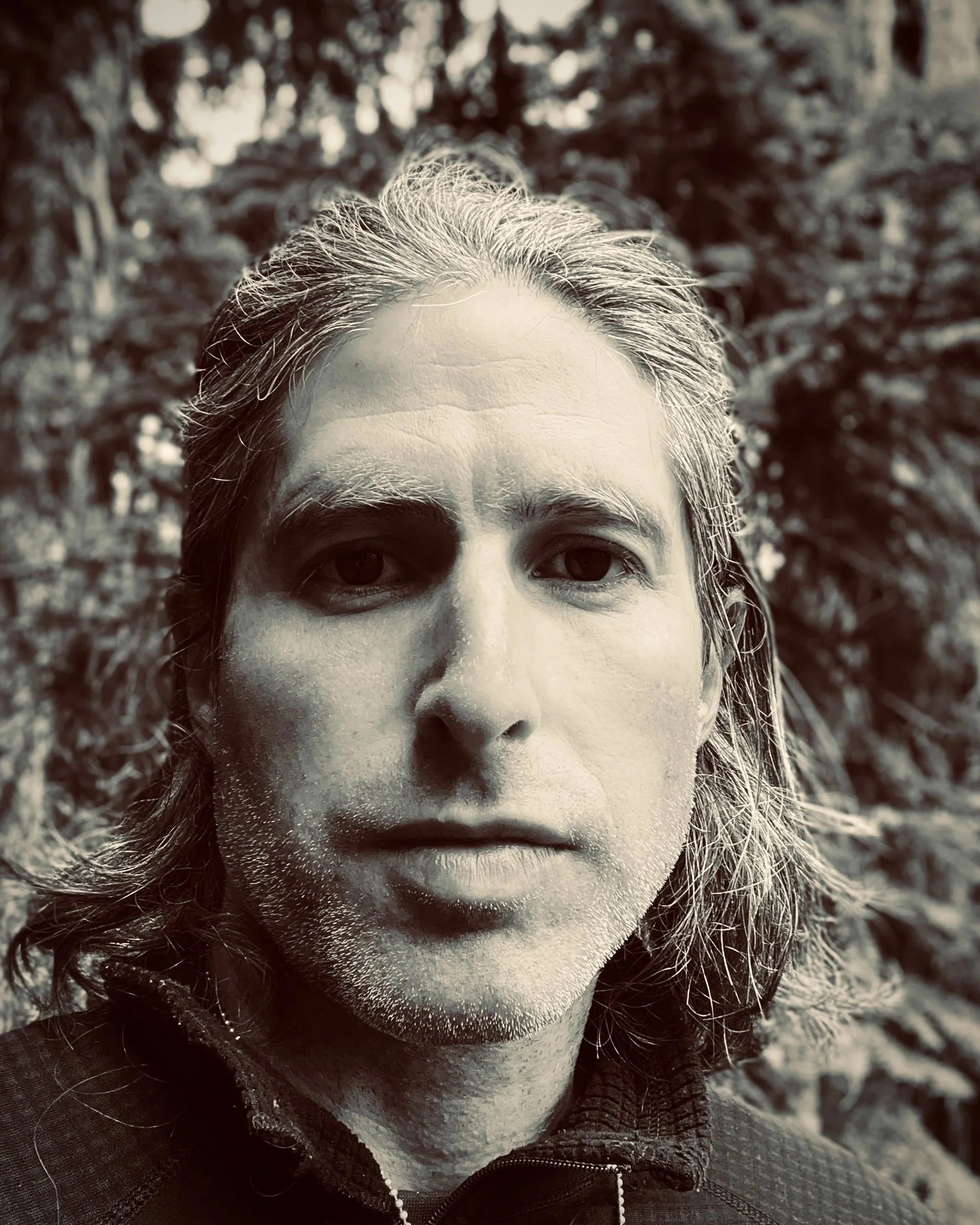
Ben Mustin is a facilitator, coach, and writer whose work centers on the ordinary magic of human connection. He helps leaders and teams implement accessible shifts in shared behavior that build trust and enable transformation through presence, courage, and candor.